How to Distribute Your Music Globally from Nigeria in 2026
A practical step-by-step guide to music distribution in Nigeria 2026, from choosing the right distributor to getting your music on Apple Music, Spotify, and every major DSP.
# How to Distribute Your Music Globally from Nigeria in 2026
If you're an artist or producer in Nigeria, you already know the hard truth: your music deserves a global audience, but getting it onto Apple Music, Spotify, and every other major streaming platform from Lagos isn't always straightforward. Music distribution in Nigeria in 2026 has changed a lot, but the landscape still has traps that can cost you time, money, and royalties.
This guide walks you through exactly how to get your music on every major DSP worldwide, including the practical steps, the pitfalls to avoid, and the infrastructure decisions that determine whether you keep control of your catalog.
Why Global Distribution Matters for Nigerian Artists
The global recorded music market crossed $30 billion in 2025, and Sub-Saharan Africa was the fastest-growing region at consistent year-on-year growth according to the IFPI Global Music Report. But here's the thing: despite Afrobeats driving billions of streams, Nigeria's share of that global revenue is still tiny compared to its cultural output.
The gap isn't about the music, it's about infrastructure. Many Nigerian artists distribute through channels that don't report properly to IFPI-validated streaming platforms, leaving revenue on the table. Get the distribution pipeline right, and your streams actually translate to income.
Step 1: Choose the Right Distribution Partner
Your distributor is the bridge between your finished recording and the world's streaming platforms. Not all distributors are equal, and choosing wrong means delayed releases, missing metadata, or lost royalties.
What to look for in a distributor:
- •DSP coverage: Does it reach Apple Music, Spotify, TikTok, Boomplay, Audiomack, YouTube Music, and Deezer? If you're distributing Afrobeats, Boomplay and Audiomack are must-haves for African audiences.
- •Royalty reporting: Real-time dashboard access with per-platform breakdowns. If you can't see where your streams are coming from, you can't figure out what's working.
- •Payout structure: Some distributors take a percentage of your royalties forever. Others charge an annual flat fee. For independent Nigerian artists releasing consistently, flat-fee almost always wins.
- •Merlin licensing: Distributors connected to Merlin (the digital licensing agency representing independent labels) get you onto platforms that smaller aggregators can't reach.
- •Metadata management: Your ISRC codes, UPC barcodes, writer splits, and publisher information must be handled correctly. Bad metadata means delayed payouts and wrong royalty splits.
Recommended route:
Work with a distributor that has direct DSP pipe connections, meaning your music goes straight from the distributor's system to platforms like Apple Music and Spotify without intermediary hops. Fewer hops means faster processing, fewer errors, and better reporting.
Step 2: Prepare Your Release for Global Standards
Before you upload anything, your release needs to meet international quality standards. This isn't just about the music, it's about metadata, artwork, and mastering.
Audio mastering
Streaming platforms apply their own loudness normalisation (typically -14 LUFS for Spotify, -16 LUFS for Apple Music). If your track is mastered too hot, the platform will turn it down and it may sound flat compared to professionally mastered tracks. Get your masters prepared for the streaming standard, not just club playback.
Cover art
Your single or album artwork must be at least 3000x3000 pixels. Square format. No text below a certain size threshold (platforms will reject it). If you're using AI-assisted tools for artwork, make sure the final image is high resolution and properly formatted. Many distributors reject submissions at the QC stage for artwork violations alone.
Metadata checklist before upload:
- •Correct ISRC codes for each track (your distributor provides these or you can supply your own)
- •Accurate songwriters and producers listed with proper split percentages
- •Genre and sub-genre tags that match how listeners actually search
- •Explicit content flag set correctly (getting this wrong can get your release age-restricted or removed)
- •Album artist name exactly matching your distributor profile (no typos, this causes splits in your catalog)
Step 3: Upload and Schedule Your Release
Once your distributor account is set up and your master files are ready:
1. Upload your audio files, WAV or FLAC at 44.1kHz/16-bit minimum. Don't upload MP3s; they'll be transcoded and lose quality on platforms.
2. Set your release date, Most distributors recommend at least 4 weeks lead time for pre-release. This gives streaming platforms time to process your music, and gives you time to pitch to editorial playlists.
3. Pre-save campaigns, If your distributor supports pre-saves, enable them. A strong pre-save campaign signals to platform algorithms that your release has demand before it drops.
4. Submit to playlist editors, Through your distributor, submit at least 2-3 weeks before release date. The earlier the better, playlist editors review submissions in batches.
The Studio Advantage
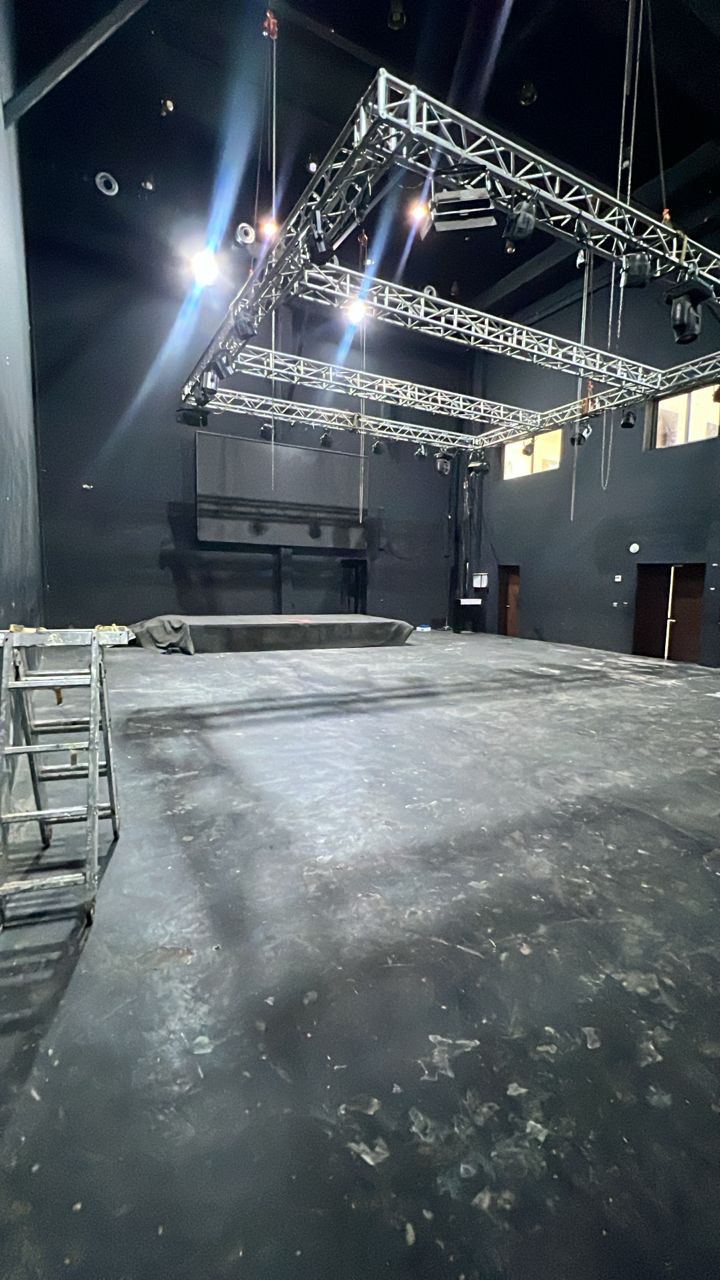
If you recorded or produced your music at a professional facility like FreeMe Space's soundstage, you've already cleared one major hurdle: your audio quality will meet streaming platform standards without last-minute fixes. Professional recording environments eliminate background noise, room reflections, and level inconsistencies that can cause QC rejections during distribution.
Step 4: Post-Release Distribution Management
Your work doesn't end when your music goes live. Post-release management determines whether your catalog grows or stalls.
Monitor your dashboard
Check your distributor dashboard weekly. Look for:
- •Which platforms are driving the most streams
- •Geographic breakdown of listeners (are you hitting your target markets?)
- •Any flagged content or metadata issues
- •Payout dates and thresholds
Claim your artist profiles
Every major platform has an artist portal:
- •Spotify for Artists, claim your profile, customise your bio, pin your top track
- •Apple Music for Artists, access detailed listener analytics
- •YouTube for Artists, manage your Official Artist Channel
These portals are free. Claiming them puts you in control of your artist identity across platforms.
Fix issues fast
If a track gets flagged for metadata errors, sample clearance, or copyright matching, respond immediately. Delays can cascade into your entire catalog getting flagged. A distributor with responsive support, ideally with a dedicated team handling Nigerian releases, makes the difference between a 24-hour fix and a two-week headache.
Step 5: Scale Your Distribution Strategy
Once you've got single-track distribution down, think bigger.
Albums vs singles
Streaming algorithms favour consistent singles over spaced-out albums. Many artists now release one single per month, keeping their profile active in algorithmic playlists. Save albums for major milestones, they still work as cultural events, just not as algorithmic optimisation.
Regional platform strategy
- •Apple Music, Highest per-stream payout. Prioritise here for revenue.
- •Spotify, Largest audience. Prioritise here for reach and playlist discovery.
- •TikTok, Sound discovery engine. Upload directly or make sure your distributor sends to TikTok.
- •Boomplay / Audiomack, Dominant in Africa. Don't skip these.
- •YouTube, Still massive for African audiences. Distribute your audio to YouTube Music and upload visual content separately.
Sync licensing
Distribution to streaming platforms is the baseline. The real growth lever is sync licensing, getting your music placed in films, TV shows, commercials, and video games. Some distributors offer sync representation as an add-on. If you have a strong catalog, it's worth the investment.
The Facility Factor
Here's something most distribution guides won't tell you: the quality of your recording environment directly affects your distribution success. Poorly recorded audio gets flagged by platform QC systems. Tracks with background noise, distorted levels, or inconsistent stereo imaging can be rejected or deprioritised in algorithmic playlists.
Recording at a professionally treated facility like FreeMe Space removes these risks before they reach your distributor. Their Dolby Atmos-certified mixing suite makes sure your masters meet streaming platform specifications. And the event lounge gives you a professional space for listening sessions, press interviews, and release events that build momentum around your drop.
If you're serious about global distribution, start with the room you're recording in.
Common Mistakes Nigerian Artists Make
Skipping the mastering step
Your mix might sound incredible on your studio monitors. That doesn't mean it's ready for streaming. Professional mastering adjusts your track for the loudness normalisation standards every platform applies. Without it, your track gets turned down and sounds quieter, and weaker, than competing releases in the same playlist.
Not registering with a CMO
Performing rights organisations like COSON, MCSN, or PRS (for UK-facing artists) collect performance royalties you'd otherwise leave behind. Your distributor collects mechanical royalties (from streams and downloads). Your CMO collects performance royalties (from radio, TV, live venues, and public performance). You need both.
Ignoring metadata
ISRC codes, UPC barcodes, writer splits, these aren't paperwork you can fix later. Once a release goes live with bad metadata, fixing it takes weeks and can cost you royalties permanently. Get it right at upload.
Releasing without a plan
Dropping music without a pre-save campaign, playlist pitch, or social media rollout is like throwing a party and not telling anyone. Use the 4-week lead time between upload and release to build anticipation. Your distributor's scheduling tool is your best friend.
Your Distribution Checklist
- •[ ] Choose a distributor with Merlin licensing and direct DSP connections
- •[ ] Master your tracks to streaming loudness standards (-14 to -16 LUFS)
- •[ ] Prepare 3000x3000 pixel cover art with no text in rejection zones
- •[ ] Collect correct ISRC codes and UPC barcodes
- •[ ] Register with a CMO for performance royalties
- •[ ] Upload WAV or FLAC files (never MP3)
- •[ ] Set release date 4+ weeks out for pre-release processing
- •[ ] Pitch to editorial playlists 2-3 weeks before release
- •[ ] Claim your artist profiles on Spotify, Apple Music, and YouTube
- •[ ] Monitor your distributor dashboard weekly for issues
Ready to Distribute?
Getting your music onto every major streaming platform from Nigeria isn't complicated, but it does require the right setup. Start with professional recording and mastering at FreeMe Space, where our soundstage and Dolby Atmos mixing suite prepare your tracks for global standards. From there, your distributor handles the rest.
Book a studio session to record and master your next release, or schedule a tour of our Dolby Atmos mixing suite. Your music is ready for the world. Let's make sure the world hears it.