Nigeria music distribution 2026: why Nigeria's music revenue is invisible
Nigeria music distribution 2026 needs more than global attention. Here is why Nigerian music revenue is undercounted and how stronger rights, metadata, content, and studio infrastructure can fix it.
# Nigeria music distribution 2026: why Nigeria's music revenue is invisible
Nigeria music distribution 2026 has a strange problem: the sound is everywhere, but too much of the money is hard to see. Afrobeats travels faster than most export categories. Lagos records influence clubs in London, playlists in Atlanta, wedding bands in Accra, and TikTok trends in São Paulo. Yet when global industry reports count recorded music revenue, Nigeria still looks smaller than the culture it powers.
That gap matters. It affects how artists are valued, how labels raise money, how producers price their work, how managers negotiate, and how international partners treat Nigerian catalogues. If the numbers undercount the market, the whole business gets forced to operate with one hand tied behind its back.
The issue is not talent. Nigeria has never had a talent shortage. The issue is plumbing: rights metadata, licensed distribution paths, royalty collection, clean reporting, reliable payout rails, and professional content infrastructure. Until those pipes work properly, Nigerian music will keep generating global attention while a portion of the value leaks out before it can be measured.
The headline problem: culture is ahead of infrastructure
The global music industry can only count what flows through systems that report clearly. That is the boring truth behind a very emotional business. A song can be massive on the street, on social media, on radio, in clubs, and across unofficial uploads, but if the usage does not pass through licensed, reportable channels, it does not show up properly in the revenue picture.
That is why Nigeria can feel culturally huge and still look financially small in formal recorded music data.
According to the IFPI Global Music Report 2026, Sub-Saharan Africa grew by about 15% to roughly $120 million in recorded music revenue. South Africa accounted for the majority of that figure, with about $93.7 million. That leaves the rest of the region, including Nigeria, sharing a much smaller reported pool.
Put that beside the cultural signal. Nigerian music has posted explosive streaming growth over the past decade, with Afrobeats becoming one of the clearest African cultural exports of the modern era. The music is not invisible to listeners. It is invisible to the systems that decide how value is counted, reported, and paid.
That is the real Nigeria music distribution 2026 conversation.
Why the numbers look wrong
Most people assume distribution means uploading a song to digital stores. That is only the surface. Real distribution is a chain of custody. It connects a recording to the right owner, the right metadata, the right territories, the right platforms, the right reporting systems, and the right payment destination.
If any link is weak, money either arrives late, arrives incomplete, or does not arrive at all.
Nigeria's market has several weak links at once.
First, too much consumption still happens outside fully licensed reporting systems. That includes unofficial uploads, duplicated catalogue, social media rips, messaging app sharing, and user-generated content where ownership is unclear. These channels can create popularity, but popularity is not the same as reportable revenue.
Second, metadata quality is uneven. A track can have the wrong spelling of an artist name, missing songwriter splits, duplicate ISRCs, no clean publisher information, or a manager's email used where formal rights information should be. That sounds small until the money starts moving. Bad metadata is one of the fastest ways to delay payment or lose attribution.
Third, collection systems are still catching up to the scale of usage. Performance royalties, neighbouring rights, publishing royalties, and master recording income do not all move through the same route. Many artists treat all royalties as one bucket. They are not. Each right has its own paperwork, reporting rhythm, and collection path.
Fourth, currency instability makes the revenue picture harder to read. Even when platforms report properly, exchange rates, settlement timing, and payout routing can distort what artists actually receive. A catalogue can be growing in usage while the local-currency outcome feels flat or confusing.
Finally, fraud and artificial streaming create suspicion around legitimate growth. When a market becomes known for inflated plays, bot traffic, or playlist manipulation, serious partners apply more scrutiny. That slows payments, affects playlist trust, and makes clean operators work harder to prove what should already be obvious.
Brazil and Mexico show what can happen when the pipes work
Nigeria is not the first music market to have global cultural momentum before the business systems caught up.
Latin America offers a useful comparison. Brazil and Mexico did not enter the top tier of recorded music markets by vibes alone. They built stronger digital distribution, cleaner licensing, more reliable local industry bodies, better platform relationships, and stronger professional habits around catalogue management. Once the infrastructure improved, the numbers started reflecting the audience.
The lesson is simple: culture opens the door, but infrastructure keeps the value.
Nigeria has the harder version of the same opportunity because its music already has global attention. The demand is not theoretical. The audience exists. The question is whether the rights, metadata, reporting, and payout systems can become strong enough to carry the weight.
That is why Nigeria music distribution 2026 should not be discussed only as an artist problem. It is a market design problem.
The artist mistake: treating distribution as a last step
A lot of artists think about distribution after the song is done. They record, mix, master, shoot content, announce a date, and then ask someone to upload the track. By then, several important decisions have already been made badly or not made at all.
Distribution should start before release week.
Before a song goes live, an artist should know who owns the master, who wrote the song, what percentage each contributor controls, whether producer agreements are signed, whether artwork rights are cleared, which version is the final master, which territory strategy applies, and what content will support discovery after release.
That sounds administrative because it is. But administration is how creative work becomes an asset.
A song without clean paperwork is still a song. A song with clean paperwork, clean metadata, platform delivery, content support, and reporting discipline is catalogue. Catalogue can be valued, licensed, financed, audited, and monetised over time.
This is where Nigerian artists, managers, and labels need to get less romantic. The studio session is not the business. The release system around the session is the business.
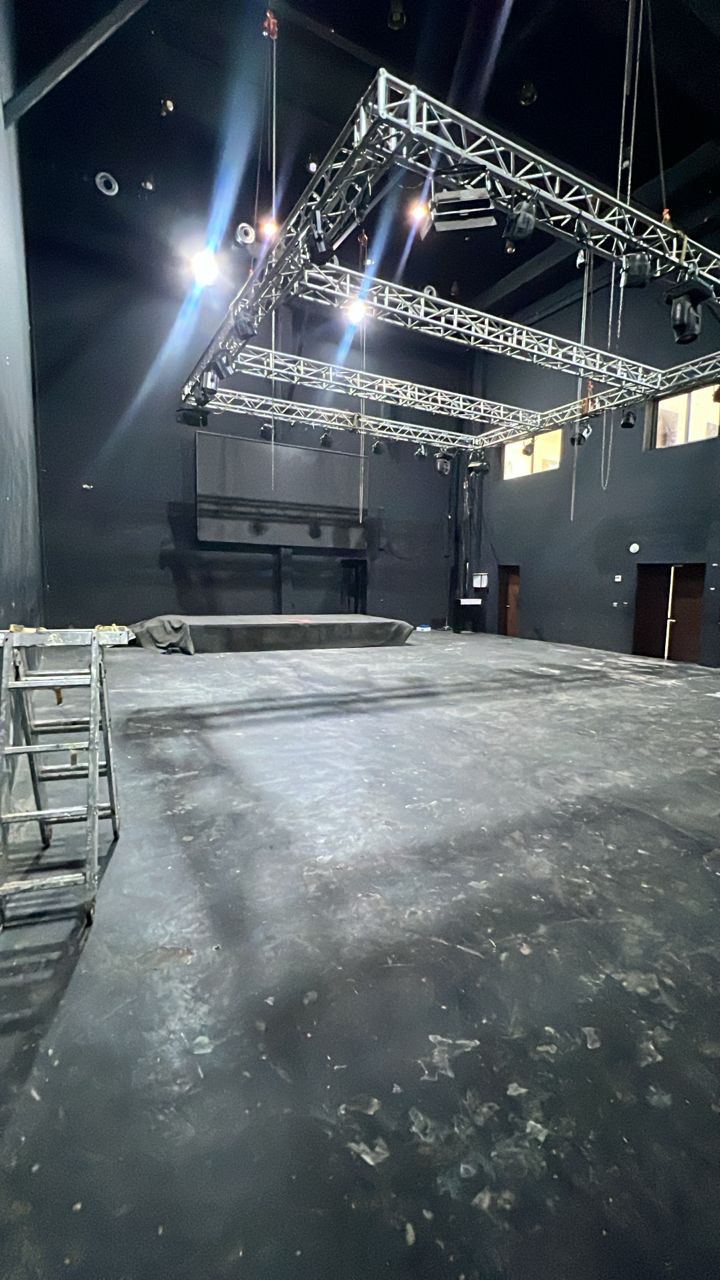
If you are planning a serious release, the work often starts in the room. A controlled recording environment such as the FreeMe Space soundstage helps teams capture clean live performance assets, visualizers, interviews, and release-week content without scattering production across five separate locations. A proper audio workflow in the Dolby Atmos suite can also help teams prepare premium versions and listening experiences for platforms and partners that care about audio quality.
Those facility decisions do not replace distribution. They support it. A release with strong assets, clean audio, and professional documentation has a better chance of being treated like a serious catalogue play instead of a one-week social media push.
What clean music distribution actually includes
A proper distribution plan should answer practical questions.
Who is the legal rights holder for the master? Are the splits signed? Is there one official artist profile, or are there duplicates across platforms? Is the release title consistent everywhere? Are featured artists credited correctly? Are lyrics cleared and ready where needed? Is the artwork original or properly licensed? Are clean, explicit, radio, instrumental, and immersive versions labelled correctly? Is the marketing plan tied to the release date, or is everyone hoping the song will move by itself?
This is not paperwork for paperwork's sake. Each detail affects discovery, monetisation, or reporting.
For example, duplicate artist profiles can split an artist's audience and confuse recommendation systems. Poor artwork can reduce click-through. Bad genre tagging can push a song into the wrong discovery lane. Missing splits can create disputes months after the track has momentum. No short-form content plan means the release has fewer chances to travel beyond the artist's existing audience.
Good distribution reduces friction before the market sees the song.
It also creates a single source of truth after release. Artists should be able to check where the song is live, where it is earning, which territories are responding, what content is moving, and what needs to happen next. Without that discipline, every report becomes a debate.
Why content infrastructure now matters to distribution
Music distribution used to be mostly about access. Could you get the track into stores? Today, access is table stakes. Most serious artists can get a song online. The bigger question is whether the release has enough surrounding content to earn attention after it arrives.
That is why studios and production spaces are now part of the distribution conversation.
A release needs more than cover art. It needs performance clips, lyric moments, interview cuts, behind-the-scenes footage, live session snippets, vertical video, press photos, podcast appearances, and sometimes event content. The song is the centre, but the content gives the audience multiple doors into it.
For Nigerian artists, this matters because global listeners often discover music through fragments. A hook on a short video. A live clip. A producer explaining the beat. A guest appearance on a creator's show. A rehearsal moment that feels more human than the official campaign.
FreeMe Space was built for that kind of release support. The podcast studio gives artists and teams a controlled room for interviews, release breakdowns, fan Q&As, and long-form storytelling. The event lounge gives teams a place for private listening sessions, creator previews, press moments, and intimate release events.
Again, none of this matters if the rights are messy. But once the rights are clean, content gives the catalogue a longer runway.
The collecting society gap
One of the most misunderstood parts of the Nigerian music business is the difference between distribution income and other royalty streams.
Digital master revenue is only one part of the picture. There are also publishing royalties, performance royalties, mechanical royalties, neighbouring rights, sync fees, and direct licensing income. Each stream has its own collection logic.
When artists do not understand those differences, they often assume one partner is responsible for money that actually belongs in another system. That creates frustration and, worse, missed income.
A stronger Nigerian market needs more education around rights. Managers should know the difference between master and publishing. Producers should document their terms before a song is released. Songwriters should not disappear from the paperwork. Labels should explain reporting timelines clearly. Artists should know which rights they have assigned and which rights they still control.
This is not glamorous work. It is also the work that separates a viral moment from a valuable catalogue.
The countries that report bigger music revenue are not only countries with popular songs. They are countries with better rights capture.
What FreeMe is trying to fix
FreeMe's role is not to make Nigerian music popular. Nigerian music already did that.
The job is to help more of that popularity move through formal channels, with cleaner metadata, stronger release planning, better platform delivery, and more professional reporting habits. That means treating distribution as infrastructure, not a favour. It means pushing artists and labels to prepare properly before release day. It means encouraging teams to think about catalogue value instead of only first-week noise.
It also means connecting creative work to the right production environment. A serious release deserves proper audio, controlled visual assets, and a plan for how the story will travel. That is why the connection between distribution and facilities matters. A song that is properly recorded, documented, supported by content, and delivered through clean channels is easier to market, easier to account for, and easier to build around.
The industry does not need every artist to become an administrator. But every artist needs someone on the team who respects administration enough to protect the money.
What artists should do before their next release
If you are an artist or manager preparing a release this year, start with a basic checklist.
Confirm the rights. Put contributor splits in writing. Make sure the artist name, song title, featured credits, and artwork are final before delivery. Keep one official folder for masters, artwork, lyrics, credits, agreements, and promo assets. Decide which platforms matter most for the release. Prepare short-form content before the song goes live, not after. Plan at least one moment where the artist can explain the song in their own words.
Then choose the right rooms for the work. If you need performance visuals, use a proper stage setup. If the project needs premium audio, book the right listening and mixing environment. If the campaign needs conversation, record it in a room made for clean speech. If you want industry people, creators, or fans to hear the record before release, host them properly.
Small operational choices add up. They tell partners whether the project is casual or serious.
The future: less noise, more counted value
Nigeria does not need to prove that its music matters. That argument is over.
The next phase is about counted value. More licensed consumption. Cleaner rights data. Better reporting. Stronger payout discipline. More artists treating their songs as assets from day one. More managers who understand both culture and administration. More studios connecting recording, content, and release strategy under one roof.
That is how the gap closes.
Nigeria music distribution 2026 is not just about getting songs online. It is about making sure the value created by Nigerian music can be seen, counted, collected, and reinvested into the next generation of artists.
If you're preparing a release and want the recording, content, and distribution plan to work together, talk to FreeMe Space. Book a session, contact the team for current rates, or schedule a tour of the soundstage, Dolby Atmos suite, podcast studio, and event lounge so your next release is built on proper infrastructure from the start.